
On July 6, 1942, Otto and Edith Frank went into hiding with their daughters Margot (16) and Anne (13) in the storage rooms behind Otto's company office building at Prinsengracht 263. The Van Pels couple (called 'Van Daan' by Anne in her diaries) and their son Peter soon joined them, followed later by dentist Fritz Pfeffer (Albert Dussel). The eight people in hiding remained at their hiding place – renamed 'the Secret Annex' by Anne – until their discovery on August 4, 1944.
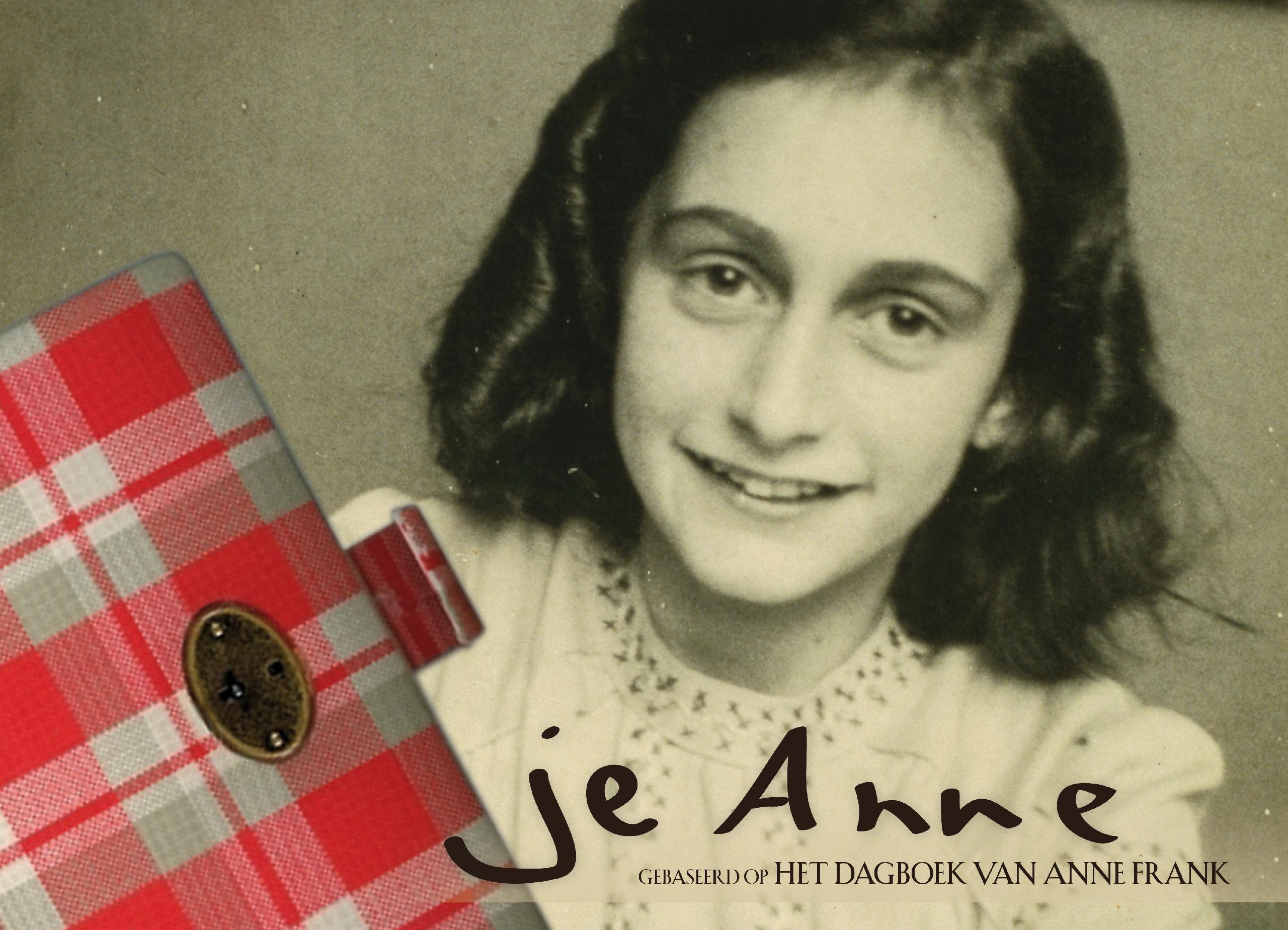
The performance ' Je, Anne ' tells the story of what took place in the Secret Annex during these two years. The many difficult moments, the tension and uncertainties, but also the mutual warmth and moments of hope are highlighted. Central to the performance are Anne's personal story and the diaries in which she wrote it down. They offer an intimate glimpse into the feelings, developments, and (in)securities of the young girl who, despite everything, always managed to remain optimistic. She invariably signed the stories in her diaries with ' Je, Anne' .
Unlike previous retellings, films, and plays, ' Je, Anne ' tells the factual story of the people hiding in the Secret Annex without it being dramatized, supplemented, or altered in any way. To this end, Enid Futterman's script was complemented by sincere and often moving songs by Michael Cohen. The direction is in the hands of the Flemish director Frank Van Laecke.